Blister Inspection
- C++
- Qt/QML
- Multithreading
- Socket Programming
- MVVM
In the pharmaceutical industry, Quality Control (QC) is critical. A single defective blister pack reaching a consumer can have severe health and legal consequences. This project involved building a high-speed Visual Inspection System designed to redefine precision through the fusion of C++, hardware synchronization, and AI.
1. The Challenge: Speed vs. Stability
High-speed production lines present a unique set of engineering hurdles:
- Strict Latency: The system must process and respond in milliseconds to trigger the rejection arm (Ejector) on the conveyor.
- Hardware Sync: Real-time synchronization between industrial cameras (GigE) and PLCs.
- Resource Management: Continuous operation requires zero memory leaks and robust process management.
2. Architecture: Power Through Decoupling
I implemented the MVVM (Model-View-ViewModel) pattern to decouple the heavy computational backend logic from the modern QML user interface. This separation ensures that the UI remains highly responsive even when the system is processing massive data throughput from high-speed production lines.
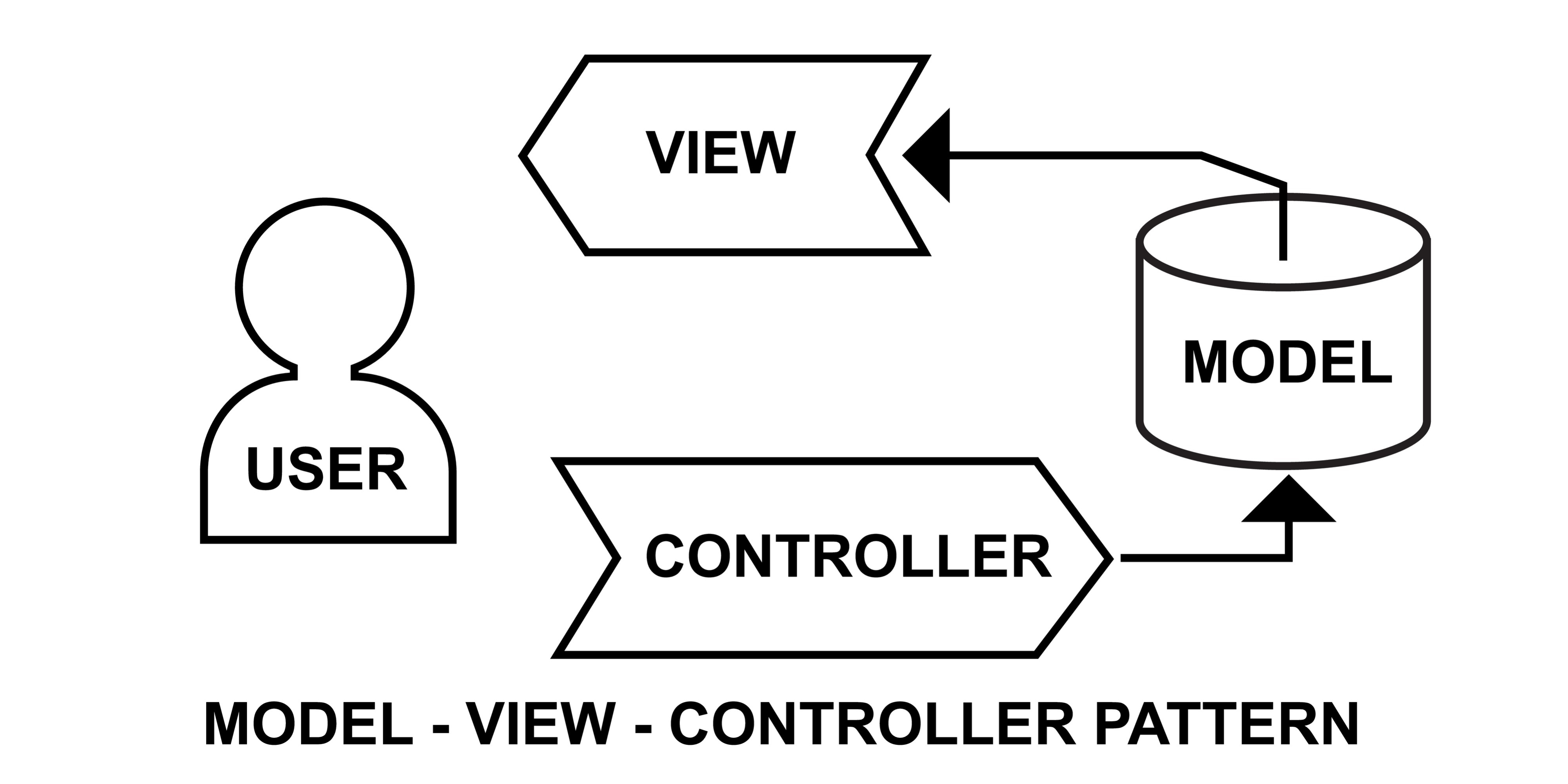
To maximize system reliability, the AI inference engine operates as a separate process managed via QProcess.
This architectural choice creates a "sandboxing" effect: even if a complex AI algorithm encounters an unexpected edge case and crashes, the core production line interface remains unaffected, preventing costly industrial downtime.
3. Core Technical Implementations
High-Performance Multithreading
I designed a triple-thread architecture: UI Thread, Image Acquisition Thread, and Command Manager. To prevent race conditions, I utilized QMutex and Signal/Slot with QueuedConnections for thread-safe data transfer.
Low-Latency Raw Image Rendering
Rendering high-resolution RAW frames without UI lag was a major bottleneck. I customized the rendering pipeline by inheriting from QQuickPaintedItem to handle direct C++ coordinate calculations, resulting in seamless Zoom/Pan functionality even during full-speed production.
Hardware Interfacing & Socket Programming
Utilizing the Producer-Consumer pattern, I developed the logic for PLC communication via Sockets. This ensures that every "Eject" signal for a defective product is delivered with microsecond precision.
4. Key Outcomes
- High Reliability: Achieved using strict memory management tools.
- Scalability: The Clean Code architecture allows for rapid deployment of new "Recipes" or AI model upgrades without refactoring the core logic.
- Efficiency: Eliminated processing bottlenecks, allowing the system to run at peak conveyor speeds without frame loss.